Dominating the Twitch Platform: A Complete Guide to Recording and Archiving
Twitch has quickly become a leading platforms for gamers and content creators alike, offering a distinct space for live broadcasts and community interaction. With countless of live streams and countless hours of material produced daily, knowing how to record, save, and archive Twitch streams is crucial for individuals looking to keep their favorite moments, organize their material effectively, or even grow their following. In this guide, we will explore multiple methods to capture and store Twitch material across multiple platforms and devices, ensuring you never lose those unforgettable live streams or key moments.
Whether you're a regular viewer wanting to keep some snippets or a dedicated streamer aiming to store away your entire catalog of VODs, understanding the tools and methods available is vital. We will cover everything from top-notch recording setups to automated processes for saving snippets, ensuring that you have access to the best strategies for keeping your Twitch content. Join us as we explore the intricacies of recording, saving, and archiving Twitch broadcasts, and learn how to preserve your digital legacy on this dynamic platform.
Recording Twitch Streams
Capturing Twitch broadcasts is an essential skill for creators who want to save their live streams for future viewing. Best StreamRecorder tool use multiple software solutions to capture video and audio straight from their streams, ensuring that they can share their best moments or guides with their viewers later. Popular tools like Open Broadcaster Software or Stream Labs allow users to configure their capture settings easily, changing resolution and bitrate to achieve the best optimal quality.
For those looking to record on particular OS, there are customized solutions as well. On Microsoft Windows, users can utilize built-in recording options like the Game Bar or more advanced desktop recording software. Macintosh users have the option of using built-in software like QuickTime Player or external applications that are designed for their system. Selecting the right tool is crucial as it impacts not only the simplicity of capturing but also the overall standard of the stored content.
When setting up capture software, it is crucial to consider your audio and video quality parameters, as well as how you will manage and store your recordings. High-quality recordings often require significant storage capacity, so arranging your storage and organization strategy in advance will save you headaches down the road. With the appropriate setup in position, broadcasters can concentrate on creating excellent content while effectively recording and preserving their streams for their audience.
Downloading and Keeping VODs
To begin downloading and storing your Twitch VODs, you’ll initially want to make sure that your account settings allow for the automatic storage of past broadcasts. By turning on this feature, your streams will be accessible for acquisition for a set time, typically for 14 days for standard accounts and for 60 days for Twitch Partners, Affiliates, and Prime users. Once you have captured your stream, navigate to the Video Producer area of your account, where you will find all your previous broadcasts listed. From there, simply click on the VOD you wish to save.
If you want a more structured method to storing your VODs, think about using third-party software or browser-based tools designed specifically for acquiring Twitch content. These applications often provide features such as bulk acquisition options, allowing you to store multiple VODs at once. Additionally, many of these tools will support various video formats, giving you the flexibility to choose the optimal resolution and bitrate for your needs, which is especially crucial for maintaining high audio and video quality.
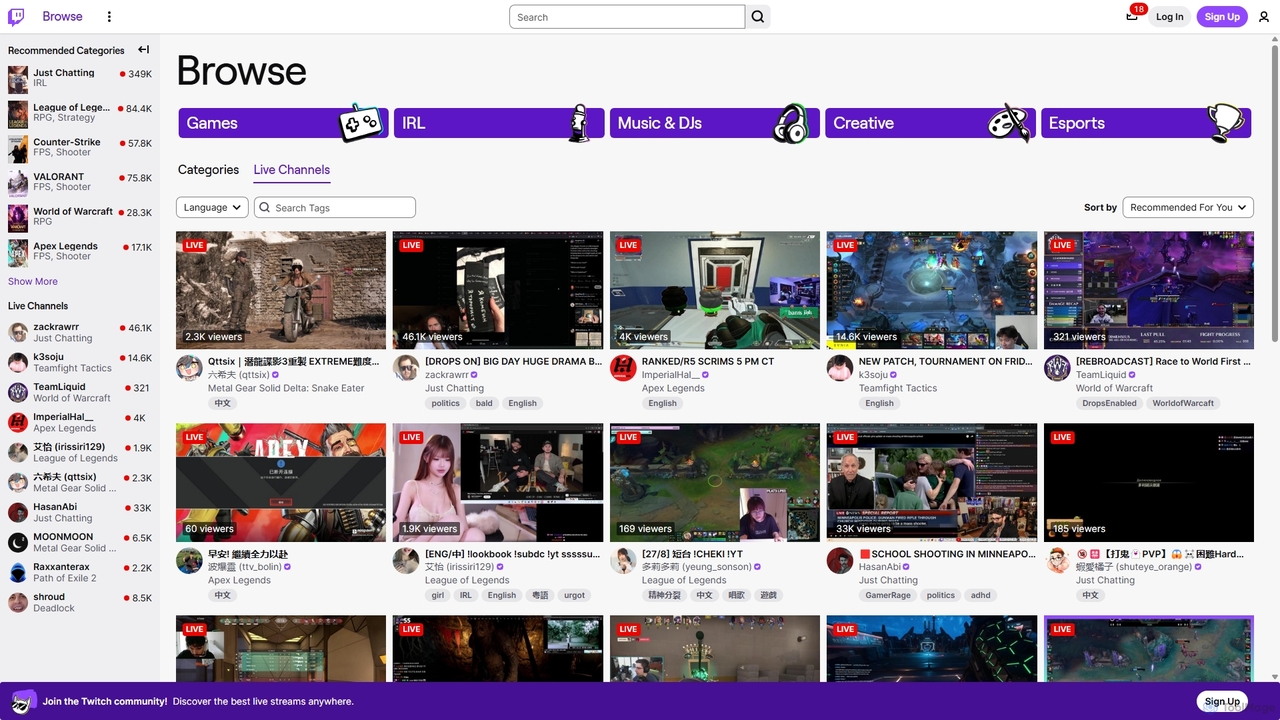
Once you've downloaded the VODs, it's essential to implement a solid storage strategy. Create a dedicated storage system on your device or cloud service for easy retrieval and management of your Twitch content. This will help you organize your library more efficiently and make sure that you can revisit or modify your content later. Keep in mind to regularly back up your recordings to prevent any damage due to device malfunction or accidental deletion, making sure your valuable Twitch streams are preserved for future use.
Archiving Highlights and Clips
To effectively archive highlights and short videos from your Twitch streams, it is essential to know the available tools and methods. Twitch allows streamers to create highlights from their broadcasts, which can then be modified and saved for future use. Utilizing tools like Twitch's built-in highlight feature ensures that moments of interest are captured directly from the stream. Remember to select key instances that appeal with your audience, as these highlights can be effective marketing tools for enhancing your channel's visibility.
For those seeking to download Twitch clips, automated downloading options can simplify the process significantly. Various external applications and browser extensions are available that can assist in mass downloading short videos. These tools often enable you to organize your downloads into specific folders, ensuring a structured approach to your storage strategy. Regularly refreshing your archives with new short videos will keep your content fresh and engaging for your audience.
When it comes to long-term storage of key moments and short videos, choosing the right video format is important to maintaining audio and video quality. Quality maintenance should be prioritized to ensure that your content remains high-quality and attractive over time. Additionally, establishing an efficient organizational system for your archives, such as categorizing by date or content type, can help streamline future access and editing efforts, aiding in your overall content development process.
Best Tools for Twitch Recording
In terms of recording Twitch streams, picking the right tools is essential for capturing high-quality content. Open Broadcaster Software remains a popular choice among streamers due to its strong features and no-cost availability. This open-source software allows users to record their streams in various formats and resolutions while providing customizable settings for audio and video quality. With support for multiple platforms, OBS Studio makes it easy to achieve high-quality recordings no matter if you are on Windows, Mac, or Linux.
One more excellent option for Twitch recording is Streamlabs OBS, which is designed specifically for streamers. It features many useful functions such as alerts, overlays, and a user-friendly interface that simplifies the streaming process. Streamlabs OBS not only enables users to record excellent Twitch streams but also offers tools for managing chat and donations, making it a comprehensive solution for content creators looking to enhance their streaming experience.
For those looking to save Twitch clips and highlights on autopilot, tools like Twitch Leecher can be incredibly advantageous. This dedicated clip downloader allows users to easily grab and organize their favorite moments from streams bypassing complex configurations. Alongside cloud storage options, these tools ensure that all captured content is protected and conveniently reachable for future editing or archiving, supporting streamer preservation and long-term content management strategies. spintax ### Legal and Ethical Considerations
While engaging in recording and preserving Twitch streams, it is essential to understand the laws surrounding the content. Twitch streamers keep the copyright for their own broadcasts, which means that downloading, copying, or sharing their content without permission can lead to copyright infringement. It is recommended to seek direct consent from the original content creator prior to saving their streams, clips, or highlights. Becoming acquainted yourself with the Fair Use guidelines will also provide clarity on what constitutes permissible use of copyrighted material.
In addition, it is important to consider the Twitch Terms of Service and community guidelines. These documents define permissible actions regarding content creation and distribution. Any capture should comply with these terms to avoid penalties such as account suspension. Streamers should also be mindful that utilizing third-party tools for documenting could potentially violate Twitch's policies if those tools both violate guidelines but also violate on user privacy.
Ethically, preserving the meaning and authenticity of the original content is crucial. Distorting a stream by editing it out of context or using clips for purposes that the streamer has not consented to can damage relationships within the community. Valuing fellow creators and fostering a healthy environment for collaboration is key to the durability of relationships on platforms like Twitch. Always focus on dialogue and clarity regarding the use and sharing of captured content.